

Updated August 2026.
Padel is played in doubles on an enclosed court roughly 20m by 10m, with glass walls that are part of the game. Scoring is identical to tennis — 15, 30, 40, game — but the serve is underarm and the ball can be played off the walls. Most people pick up enough to play a real match within one session.
That last part is why the sport has grown so fast in the UAE. You don't need a year of lessons to have a decent rally.
The court
Smaller than a tennis court and completely enclosed. Glass at the back and part of the sides, metal mesh fencing along the rest. A net across the middle divides two halves, each marked with service boxes.
The walls are not out of bounds. They're part of play, and learning to use them is most of what separates a beginner from an intermediate player.
How to serve
The serve is the most rule-bound part of padel, and the part new players get wrong most often.
- Stand behind the service line, on the correct side.
- Bounce the ball on the ground first. You cannot serve out of the air.
- Hit it at or below waist height. Underarm, always. No tennis-style overhead serve.
- It must travel diagonally into the opposite service box.
After it lands in the correct box, the ball may hit the side wall and still be good. If it hits the metal fencing before bouncing, it's a fault.
You get two attempts, as in tennis. Two faults and the point goes to your opponents.
The rules of a rally
The ball may bounce once on the ground before you hit it — or you can volley it out of the air.
After it bounces on your side, it can hit your walls and stay in play. You can let a ball bounce, rebound off your own back glass, and hit it from there. This is the shot that feels impossible on day one and natural by week three.
A shot must land in your opponents' court before touching their walls. If your shot hits their glass on the full, without bouncing on the ground first, you lose the point.
You cannot hit the ball into your own wall and have it travel over the net. The ball must go over the net directly.
You lose the point if
- The ball bounces twice on your side
- Your shot lands outside the court
- Your shot hits the opponents' wall or fence before bouncing on their ground
- The ball touches you or your partner
- You hit the ball before it crosses to your side of the net
Scoring
Identical to tennis, which makes it instantly familiar to most people.
| Points won | Called |
|---|---|
| 0 | Love |
| 1 | 15 |
| 2 | 30 |
| 3 | 40 |
| 4 | Game |
At 40–40 it's deuce. From there one team needs two points in a row — advantage, then game.
Many UAE clubs and most social sessions use a golden point instead: at 40–40, a single point decides the game. It keeps matches to time, which matters when courts are booked in 60 or 90-minute slots. Ask before you start, because it changes how you play the big points.
Six games wins a set. At 6–6 you play a tiebreak. Matches are usually best of three sets, though social games are often a single set or simply "play until the court time runs out."
Serving order and sides
Your team serves for a whole game, alternating which player serves each game your team has the serve. Within a game you alternate sides after every point — right box, left box, right box.
Teams change ends after every odd-numbered game.
What actually matters in your first few sessions
Let the ball bounce. New players rush forward and volley everything. Letting the ball come off the back glass gives you time and a better angle.
Get to the net. Padel is won at the net far more than from the back. The team that establishes position there usually wins the point.
Lob more than feels right. The lob is the main way to push opponents off the net. It's the single most useful shot for a beginner to learn.
Don't smash yet. The overhead smash looks like the point-winning shot. Early on it mostly produces errors and sore shoulders. Placement beats power in this sport for a long time.
What you need to play
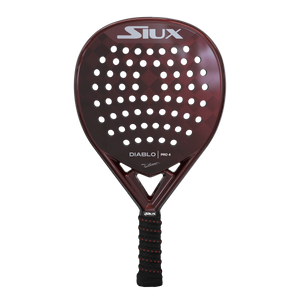
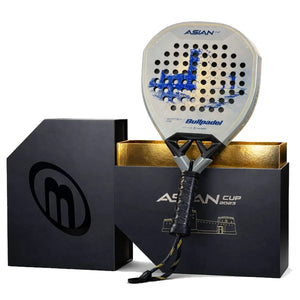
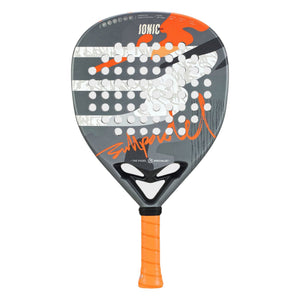
Court shoes with decent grip, comfortable clothing, water — the UAE part matters — and a racket.
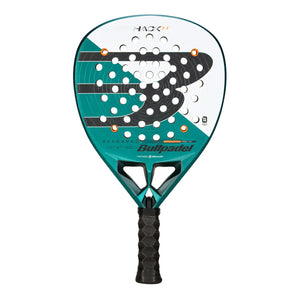
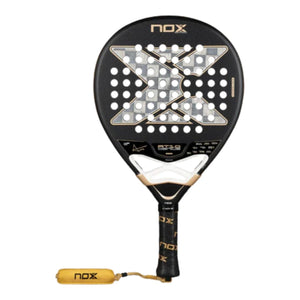
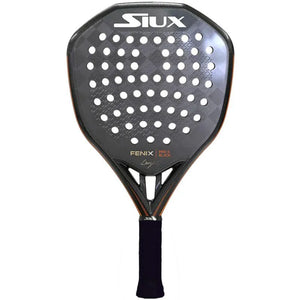
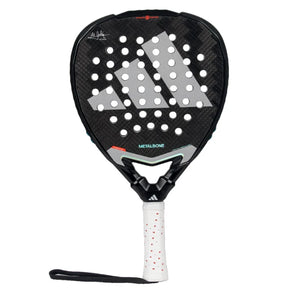
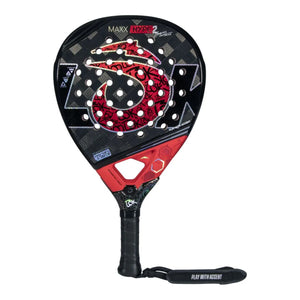
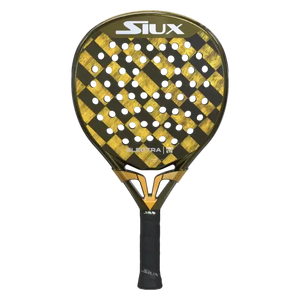
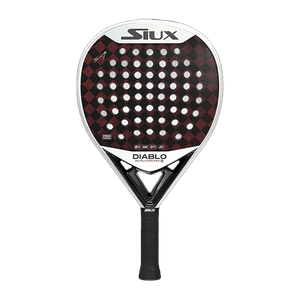
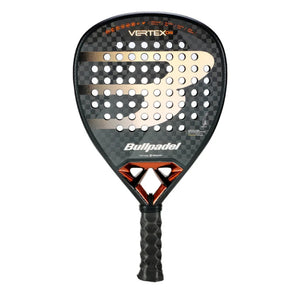
Most clubs rent rackets for roughly AED 20–35 per session, which is the sensible way to start. Once you're playing weekly, buying works out cheaper within a couple of months, and learning on a consistent racket helps more than most beginners expect.
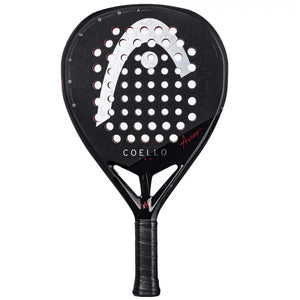
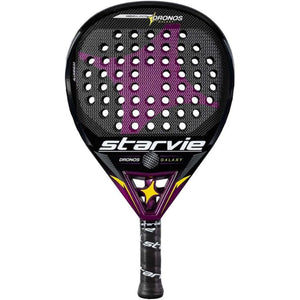
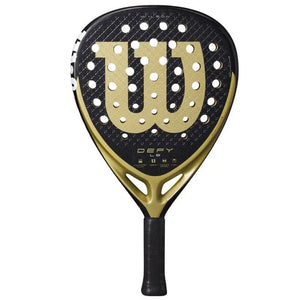
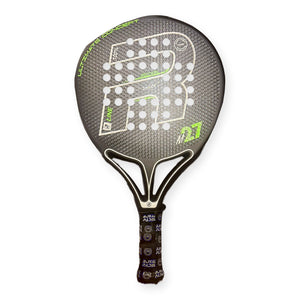
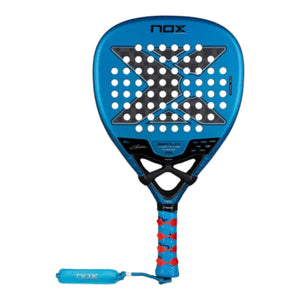
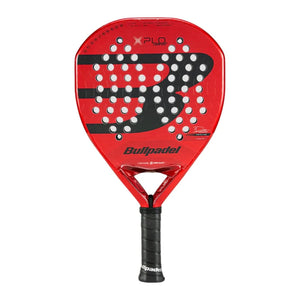
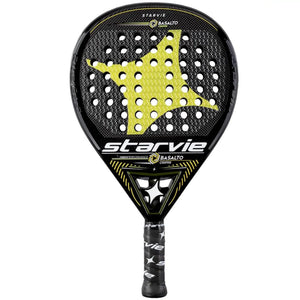
If you're at that point, our beginner padel rackets start at AED 269, with cash on delivery across the UAE.
Frequently asked questions
Is padel the same as tennis?
No. Padel uses a smaller enclosed court, solid stringless rackets, an underarm serve, and walls that are part of play. Scoring is the same, which is why the two get confused.
Can you play padel as singles?
Yes, but it's rare. Padel is designed for doubles and almost all UAE courts are doubles courts.
How long does a padel match take?
Most club sessions are booked as 60 or 90-minute slots, which usually covers one to two sets.
Do you need lessons to start padel?
No. Most people can play a real game in their first session. A lesson or two helps considerably once you want to improve, particularly for the lob and the smash.
What is a golden point in padel?
A single deciding point played at 40–40 instead of playing advantages. Common in UAE clubs because it keeps matches within booked court time.
Can the ball hit the wall on the serve?
Yes, after it has bounced inside the correct service box. If it hits the metal fencing, it's a fault.
Is padel easier than tennis?
Most beginners find it easier to start. The court is smaller, the racket is shorter, and the walls keep the ball in play — so rallies last longer from the very first session.
New to the sport? See where to play padel in Dubai and Abu Dhabi, or read how much padel costs in the UAE.
Related reading
- How to Choose Your First Padel Racket in the UAE
- Padel vs Pickleball vs Tennis: What's the Difference?
- Best Padel Rackets for Beginners in the UAE
Club formats vary — confirm scoring and session length with your venue before you play.